
Changing the Culture of Academic Medicine Starts with Coaching
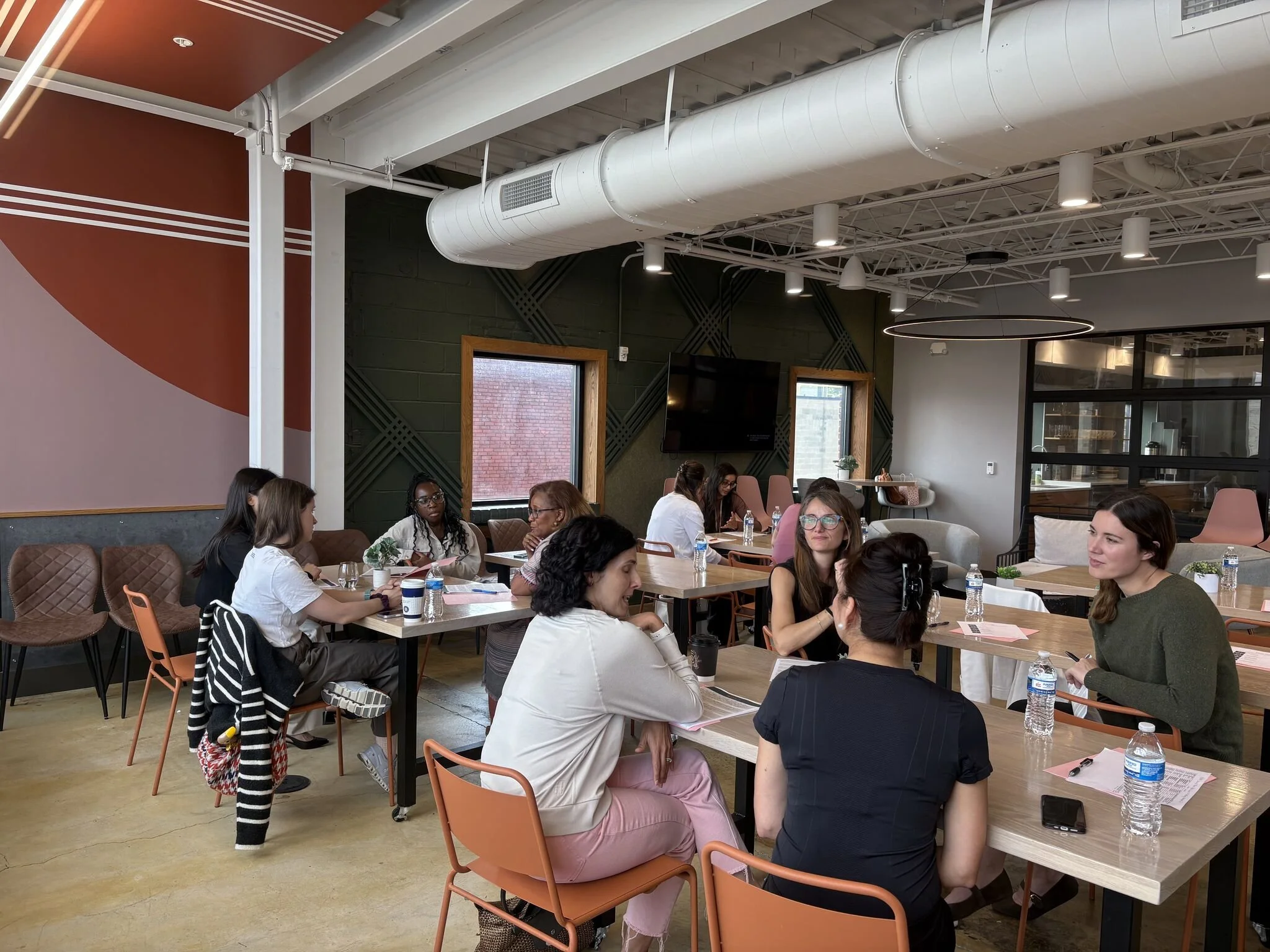
You don't change the culture of academic medicine with another mentoring workshop. You change it by teaching people to coach.
Coaching skills are learnable: ask before you advise, treat the person in front of you as the expert on themselves, hold your own playbook until it has somewhere to land. What interests me is what happens when enough people in one place learn them.
One mentor who coaches changes one relationship. A department full of them changes the water everyone is swimming in — from a place where advancement depends on inheriting someone else's playbook to one where people are treated as capable of building their own.
This is the design principle underneath every faculty program I have built. Coaching is not one session on the agenda. It is the mechanism for every discussion and every bit of growth. Faculty are trained in peer coaching skills “from the jump”, and those skills become the way we interact in all subsequent sessions.
Participants get coached by peers who deeply understand their world, and they get reps coaching someone else, over and over, across the life of the program. They don't just leave supported. They leave with a skillset for developing other people.
Coaching skills are highly transferable relational leadership skills. Faculty take them straight back to their labs, their departments, their mentoring relationships, and their committee and leadership work. That is how the culture of academic medicine actually changes: from the inside out, by the people already in it.
I've designed several coaching-based leadership development programs, each launched inside my own institution and then scaled nationally. If you want to learn how to build something like this at yours, reach out.
